PPISP on a real 3-camera capture
NVIDIA just shipped PPISP. We put it through a clean ablation inside our Scene→Sim pipeline — same capture, same 30k iterations, one toggle. Drag to see the difference.
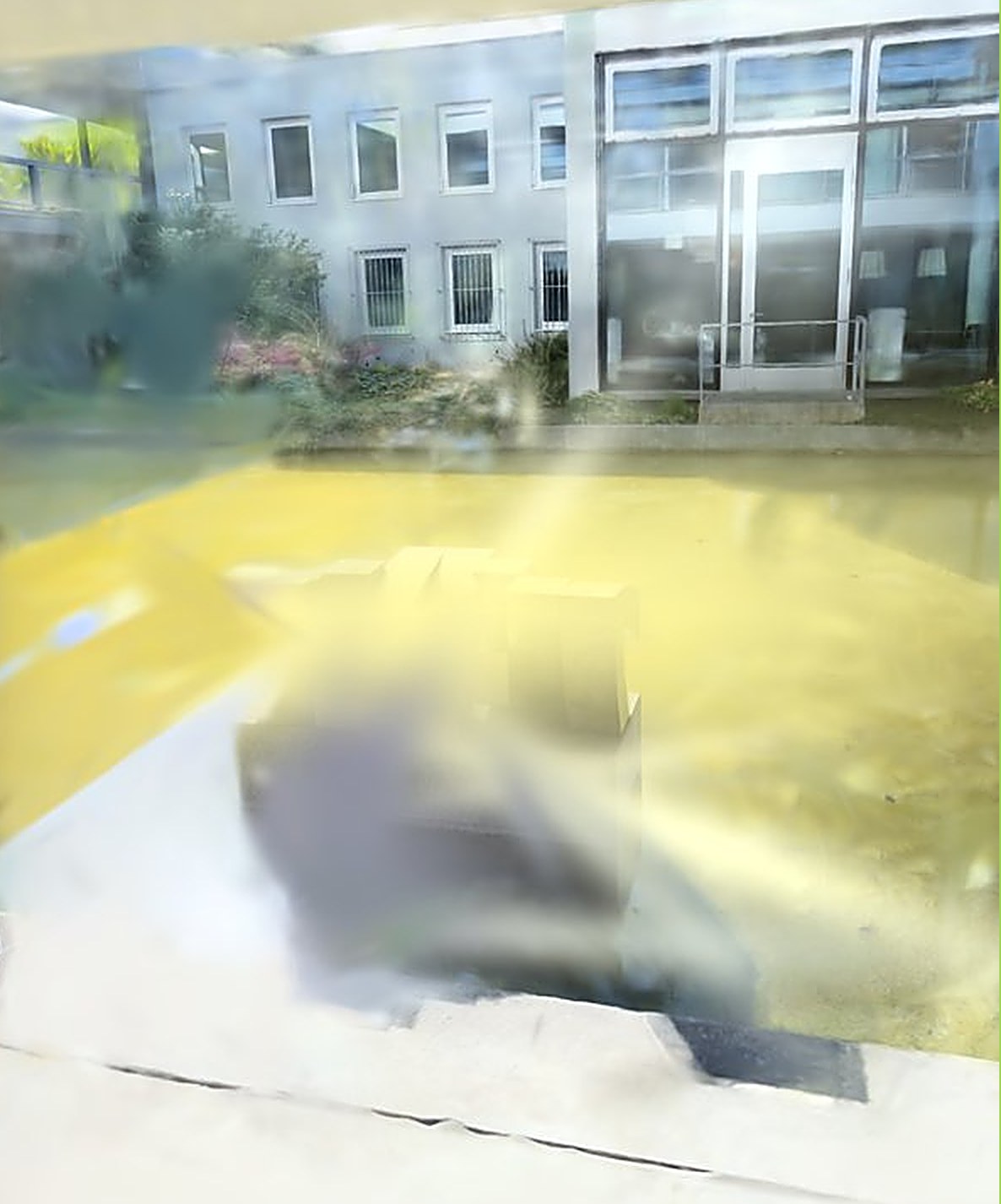
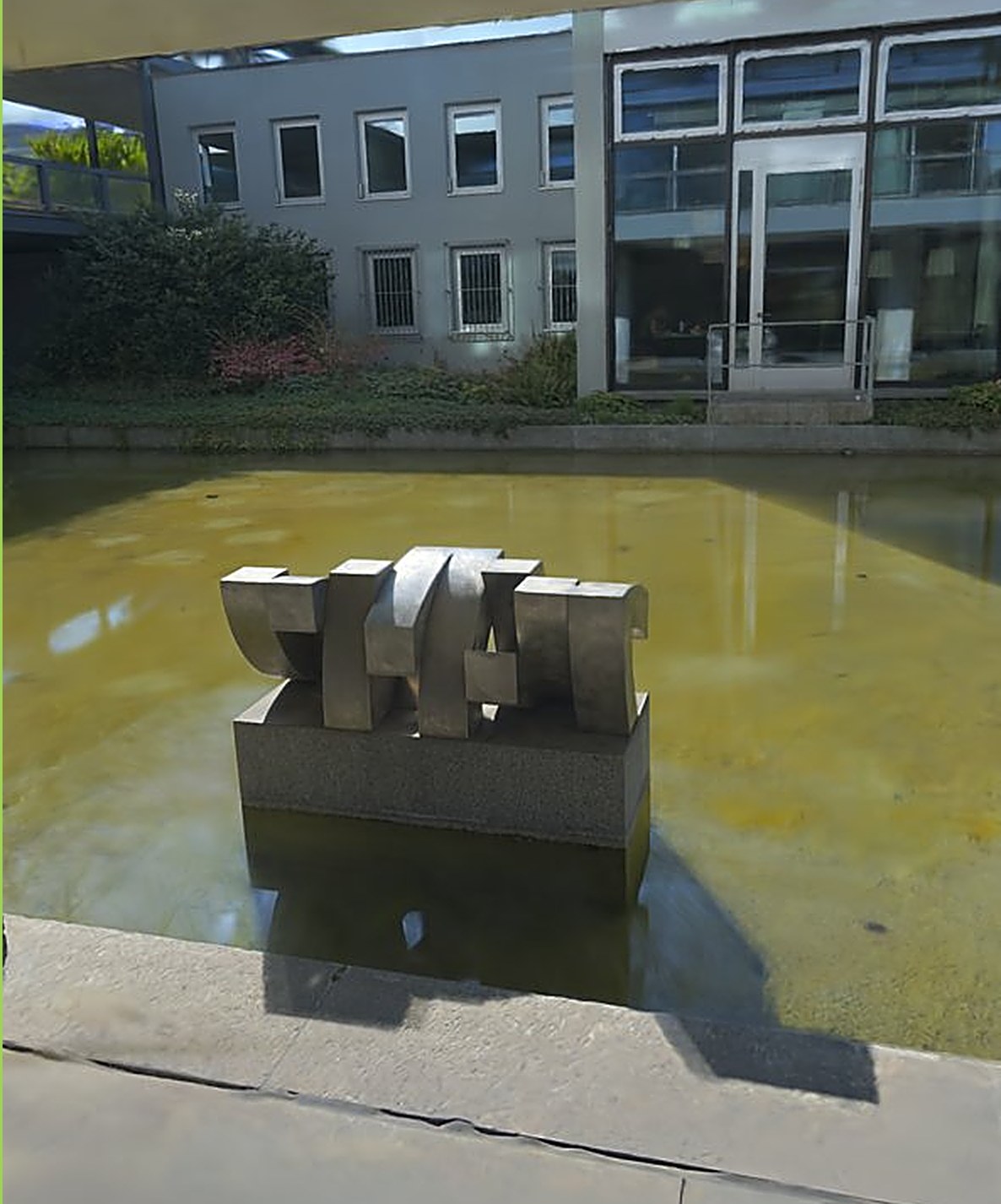 PPISP off PPISP on
 Drag the handle — or focus it and use ← / → — to wipe between off and on.
What you're looking at
PPISP is NVIDIA's method for the photometric artifacts that wreck radiance-field and Gaussian-splatting reconstructions — the lighting and colour drift that turns a clean multi-camera capture into mush. It slots on top of existing pipelines and works across 3DGS, 3DGUT and NeRFs.
We ran a single controlled ablation: the same capture and the same 30,000 training iterations, changing one thing — PPISP off versus on.
Off → the scene collapses into a hazy, washed-out haze; the sculpture and water dissolve.
On → edges hold, colour stays true, and the reconstruction lands +9.5 dB PSNR higher — a large, plainly visible jump.
Reconstruction methods benchmarked in this line of work:
Why it matters for Forenly
Our Scene→Sim pipeline turns real multi-camera captures into simulation-ready 3D scenes — the digital twins where humanoid robots learn to walk, navigate and manipulate before anything runs on hardware.
In that pipeline, reconstruction fidelity is the training ground. A blurry scene is a broken one: geometry the robot can't trust and textures the policy can't read. So every dB of reconstruction quality is a better place to learn a skill — which is exactly why we test methods like PPISP the moment they land.
Watch the toggle
The Skill Layer for humanoid robots
Forenly AI turns real scenes into simulation where humanoids learn their skills — then transfers them onto the machine.